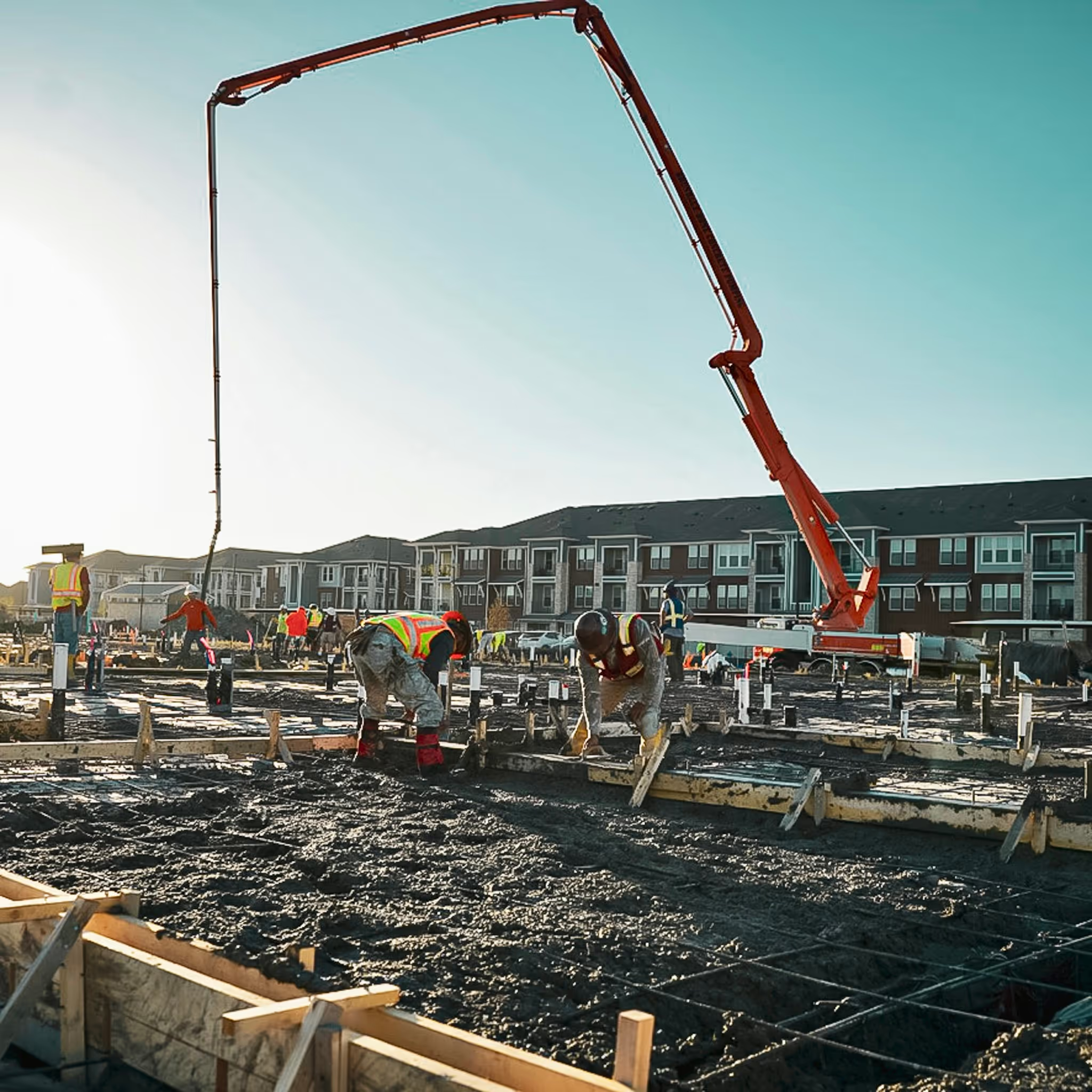
Podium Deck Construction: Complete Guide for Multifamily Developers in 2025

Podium deck construction has become the foundation of choice for mixed-use and multifamily developments across urban markets. If you're planning a project that combines parking or retail with residential units above, understanding podium deck systems, costs, and construction requirements ensures your project stays on schedule and on budget.
This comprehensive guide covers everything developers and general contractors need to know about podium deck construction—from structural systems to contractor selection.
What Is Podium Deck Construction?
A podium deck is an elevated concrete platform that separates lower-level uses (typically parking or retail) from residential construction above. The concrete podium serves as both a floor for upper levels and a ceiling for the space below.
Most podium decks use post-tensioned concrete systems ranging from 8 to 12 inches thick, spanning between columns or bearing walls. Once cured and waterproofed, the deck becomes the base for wood-frame or steel-frame construction.
Podium projects maximize land use in high-density markets where space comes at a premium and parking requirements must be integrated into the building footprint.
Types of Podium Construction Systems
Understanding which podium system fits your project requirements impacts everything from structural costs to construction timeline.
Type I Podium (One-Hour Fire Separation)
Type I podiums feature one level of concrete podium with wood-frame construction above, separated by one-hour fire-rated construction.
Key characteristics:
- Most economical podium option
- Single level of concrete parking or retail
- Wood framing directly on waterproofed deck
- Common in garden-style developments with structured parking
- Height limitations based on local building codes
Type I systems work well for suburban multifamily projects where land costs allow lower density and single-level parking meets requirements.
Type III Podium (Non-Combustible Construction)
Type III podiums require non-combustible construction materials, typically featuring concrete or steel framing throughout.
Features:
- Multiple levels of concrete or steel construction
- Higher fire resistance ratings
- Increased height allowances
- Common in urban high-density markets
- Higher construction costs offset by increased unit count
Developers choose Type III construction when project economics justify the additional structural cost through increased density.
Type V Podium (Wood Frame on Concrete Base)
Type V allows combustible construction with specific separation requirements between the podium and wood framing above.
Advantages:
- Cost-effective for mid-density projects
- Familiar construction methods for residential contractors
- Faster framing timelines compared to concrete towers
- Flexibility in unit layouts and configurations
The Type V approach balances construction cost with density, making it popular for mixed-use developments in secondary markets.
Podium Deck Construction Process
Professional podium construction follows a systematic approach that ensures structural integrity and keeps critical path activities on schedule.
Phase 1: Foundation and Shoring Installation
Before podium deck construction begins, foundations and shoring systems must be complete. Shoring supports the weight of wet concrete until the deck cures and gains strength.
Critical shoring considerations:
- Load capacity must exceed concrete weight plus construction loads
- Placement pattern affects concrete pour sequencing
- Local availability of shoring equipment and materials
- Reshoring requirements during multi-level construction
Experienced concrete contractors maintain relationships with shoring suppliers and plan equipment needs months in advance to avoid schedule delays.
Phase 2: Post-Tensioning and Rebar Installation
Post-tensioning cables provide the tensile strength that allows podium decks to span long distances with minimal thickness. Crews install plastic-sheathed high-strength steel cables according to precise engineering layouts.
Post-tensioning benefits:
- Thinner deck profiles reduce overall building height
- Longer clear spans minimize column requirements
- Superior crack control compared to conventional reinforcement
- Reduced concrete volume lowers material costs
Post-tensioning requires specialized contractors certified to stress cables and document elongation values that verify proper installation.
Phase 3: Embedments and Utilities Coordination
All penetrations, sleeves, and embedded items must be placed before concrete arrives.
This includes:
- Plumbing risers and drain locations
- Electrical conduit and junction boxes
- HVAC ductwork penetrations
- Elevator and stair openings
- Anchor bolts for steel columns or wood framing
- Drainage scuppers and roof drains
Coordination failures during this phase create expensive saw-cutting, patching, and schedule delays after concrete cures.
Phase 4: Concrete Placement and Post-Tensioning
Podium deck pours often involve hundreds of cubic yards of concrete placed in a single day. Concrete must reach minimum strength (typically 3-7 days) before post-tensioning cables can be stressed.
Stressing operations apply 33,000 pounds per square inch of force to each cable. As cables stretch and compress the concrete, the deck gains its design strength and deflection characteristics.
Phase 5: Waterproofing and Protection
Once post-tensioning is complete, waterproofing protects parking areas and occupied spaces below.
Waterproofing systems include:
- Sheet-applied membranes with heat-welded seams
- Liquid-applied coatings with reinforcing fabric
- Traffic coatings for vehicular areas
- Proper drainage slopes (minimum 1/4 inch per foot)
Waterproofing failures create expensive remediation and tenant complaints. Choosing proven systems and experienced installers prevents problems.
Podium Deck Construction Costs
Several factors influence total podium construction costs. Understanding these variables helps you budget accurately.
Average Cost Breakdown
Typical price ranges (per square foot of deck):
- Type I podium deck: $18–$28
- Type III podium deck: $25–$40
- Shoring and formwork: $8–$15
- Post-tensioning materials and labor: $3–$6
- Waterproofing systems: $4–$10
These ranges reflect typical urban markets but don't include site-specific factors that significantly impact final costs.
Cost Factors That Impact Your Budget
Project location: Urban sites with limited staging, restricted delivery hours, and difficult access increase labor costs by 15-30%.
Deck complexity: Complex geometries, numerous penetrations, multiple elevation changes, and architectural features add engineering and labor time.
Column spacing and spans: Longer spans require more post-tensioning cables and potentially thicker deck profiles, increasing material costs.
Schedule constraints: Fast-track schedules may require premium labor rates, weekend work, or additional crews working simultaneously.
Market conditions: Concrete prices, rebar costs, and labor availability fluctuate based on regional construction activity and demand.
Common Podium Construction Challenges
Every podium project faces predictable challenges. Experienced contractors anticipate these and build solutions into their planning.
Schedule Coordination and Critical Path Management
Podium decks sit on the critical path for entire projects. Framing contractors can't start until decks cure, waterproofing is complete, and inspections pass.
Mitigation strategies:
- Early procurement of long-lead shoring equipment
- Weather contingency days built into baseline schedule
- Multiple concrete pump and finishing crew backup plans
- Proactive building department coordination for inspections
- Clear communication protocols between all trades
The concrete contractor who treats your schedule like their own reputation protects your overall project timeline.
Waterproofing Quality Control
Waterproofing failures don't appear immediately—they surface months or years later when repairs are exponentially more expensive.
Prevention requires:
- Selecting proven waterproofing systems appropriate for your climate
- Ensuring concrete substrate meets flatness and preparation requirements
- Maintaining proper drainage slopes
- Installing drainage at low points and around penetrations
- Third-party inspection during installation
- Flood testing before framing begins
Never skip flood testing. The few days you invest upfront prevent catastrophic problems after tenant occupancy.
Weather Impacts on Concrete Placement
Temperature extremes affect concrete strength gain and finishing quality.
Cold weather concerns: Temperatures below 40°F slow strength development and may require heated enclosures, insulated blankets, or accelerating admixtures.
Hot weather issues: Temperatures above 90°F accelerate set time, increase cracking risk, and require continuous wet curing to prevent surface defects.
Experienced concrete contractors monitor weather forecasts weeks in advance and adjust pour schedules to avoid extreme conditions.
Selecting a Podium Deck Contractor
Not all concrete contractors have the expertise, equipment, and experience to deliver successful podium projects.
Essential Contractor Qualifications
Podium-specific experience: Ask for project lists showing similar scale, structural system, and building type. References from recent podium projects reveal how contractors perform under pressure.
Self-performed work: Contractors who own their equipment and employ their crews directly provide better quality control and schedule reliability than labor brokers coordinating subcontractors.
Post-tensioning capabilities: Some contractors self-perform post-tensioning while others subcontract to specialists. Either approach works if the contractor maintains accountability for the complete system.
Preconstruction services: The best contractors invest in estimating, value engineering, and constructability reviews that identify cost savings and prevent problems before they occur.
Quality control processes: Systematic testing, inspection, and documentation separate professional contractors from crews just trying to finish the pour.
Questions to Ask Potential Contractors
How many podium decks have you completed in the past 24 months? Recent experience matters more than total project count—crews stay sharp when they work on podium projects regularly.
What's your typical timeline from shoring to stressing? This reveals whether contractors understand realistic schedules or make promises they can't keep.
How do you handle weather delays and schedule recovery? The answer shows whether you're dealing with problem-solvers or excuse-makers.
What testing and documentation do you provide? Complete records including concrete strength tests, elongation measurements, and inspection reports should be standard deliverables.
Can I visit an active podium deck project? Seeing crews in action reveals work quality, safety culture, and organizational competence better than any sales presentation.
Red Flags in Contractor Selection
- Bids significantly below market without clear explanation of savings
- Reluctance to provide recent podium project references
- Vague answers about post-tensioning procedures or quality control
- No mention of shoring equipment sources or availability
- Pressure to make decisions before reviewing qualifications thoroughly
- Limited or no preconstruction support services
The lowest bid on a podium deck often becomes the most expensive choice when delays, quality issues, and coordination problems surface.
Regional Considerations: Podium Construction in Dallas-Fort Worth
Local conditions significantly impact podium deck design, cost, and construction approach.
Dallas-Area Market Dynamics
The Dallas-Fort Worth metroplex has seen explosive multifamily growth, with podium projects throughout urban cores and suburban town centers.
Local factors affecting podium construction:
- High demand creates competitive labor markets and longer equipment lead times
- Expansive clay soils require robust foundation systems below podium structures
- Hot summer temperatures impact concrete placement and curing schedules
- Building department experience with podium projects varies by municipality
Contractors with deep Dallas-area roots navigate these challenges through established relationships, local knowledge, and proven processes.
Climate and Weather Considerations
North Texas weather presents unique challenges for podium construction:
Spring storm season: March through May brings severe weather, heavy rainfall, and unpredictable schedules requiring flexible contingency planning.
Summer heat: June through September features extreme temperatures requiring early morning pours, continuous curing, and careful concrete mix design.
Rapid temperature swings: Day-night temperature variations of 30+ degrees create thermal stress requiring appropriate joint spacing and reinforcement.
Experienced local contractors build weather contingencies into schedules and adjust construction methods based on seasonal conditions.
Making Your Podium Project Successful
Podium deck construction represents one of the largest line items in your project budget and sits squarely on the critical path for overall completion.
Success requires:
- Early contractor involvement in preconstruction planning
- Realistic schedules that account for weather and coordination
- Clear communication protocols between all project stakeholders
- Systematic quality control and documentation
- Experienced contractors who deliver what they promise
The podium deck contractor you choose determines whether your project stays on schedule and on budget—or becomes a cautionary tale about choosing the wrong partner.
When you're ready to break ground on your next podium project, work with concrete contractors who bring proven multifamily experience, self-performed capabilities, and a track record of delivering complex projects successfully.
Your timeline, your budget, and your reputation depend on getting the foundation right.